As a landlord, arranging a gas safety check is one of your key legal responsibilities to ensure your property meets safety regulations. Understanding what happens during a CP12 visit helps you stay fully compliant with the law, avoid costly delays, and provide peace of mind to your tenants that their gas appliances are safe and well-maintained. Being prepared for the visit also makes the process smoother and faster, saving you time and potential disruption.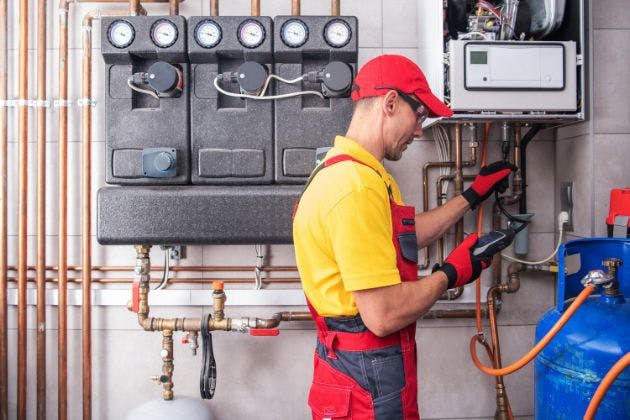
Booking your CP12 and arranging access
Your CP12 must be carried out by a Gas Safe registered engineer. When booking, you should confirm it is specifically a landlord gas safety check, not just a standard boiler service.
Agree a date and time that works for your tenant, and make sure the engineer has the full address, details of all gas appliances and any access instructions such as key safes or managing agent arrangements.
Landlords must provide reasonable notice to tenants, typically at least 24 hours. Putting the appointment in writing by email or message helps avoid misunderstandings and proves you have tried to gain access if there are issues.
Simple preparation checklist before the visit
A little preparation can make the appointment smoother and reduce the risk of a return visit.
Ensure clear access to the gas meter, boiler, gas fire and any other gas appliances
Locate appliance manuals or installation documents if you have them
Ask tenants not to block vents, cupboards or flues and to be at home or provide keys
Check that any gas card or key has credit so the appliances can be tested
Let your tenants know roughly how long the visit may take
It is also helpful to tell the engineer about any known issues in advance, such as boiler error codes or a pilot light that keeps going out.
What happens during appliance-by-appliance checks
The engineer will usually start by introducing themselves, confirming they are Gas Safe registered and explaining what they will be checking. They will then work through each gas appliance in turn.
For a boiler, they will check it is operating safely, that the flame is correct, key safety devices are working and that it is properly installed. For gas fires, they will ensure they are securely fitted, burning correctly and that combustion products are being taken away safely.
Cookers and hobs are checked to make sure they are stable, that flames are burning cleanly and controls operate as they should. Any gas water heaters or additional appliances will also be assessed.
Ventilation, flues and chimneys
Safe removal of fumes and good ventilation are just as important as the appliance itself. The engineer will look at all flues, chimneys and air vents that serve gas appliances.
They will check that flue terminals are not blocked, damaged or too close to openings, and that any visible sections are correctly supported and sealed. Where possible, they will also look for signs of staining or damage that could indicate fumes are escaping.
Permanent ventilation grilles in walls, doors or windows should not be blocked or covered. If an appliance needs extra ventilation, the engineer will highlight this and advise what needs to be done.
Tightness testing and gas pipework checks
Where appropriate, the engineer may carry out a gas tightness test at the meter to confirm there are no leaks on the installation pipework. This involves shutting off appliances and using calibrated equipment to measure any pressure drop.
Visible pipework will be checked for corrosion, damage or poor workmanship, and the engineer will make sure the meter is correctly installed and labelled. If any issues are found, they will talk you through them in clear language.
The paperwork and what your CP12 certificate shows
Once the checks are complete, you will receive written records, commonly known as a CP12 certificate. This can be electronic or on paper, but it must contain specific information to meet your legal obligations.
You should expect to see details of each gas appliance tested, the engineer's name and Gas Safe registration number, the date of the check and the property address. There will also be a statement confirming whether the appliances have been checked in line with current regulations, plus any defects found and any actions taken or recommended.
Keep a copy of the certificate for your records and provide a copy to your tenant within 28 days, or at the start of a new tenancy. Many landlords also share it with their managing agent or insurer.
Common reasons an appliance might fail
Sometimes an appliance or installation will not pass the safety check. Typical reasons include poor flue installation, blocked or inadequate ventilation, incorrect gas pressure or signs that fumes could escape into the room.
Other issues might be severe corrosion, leaks, missing safety devices or appliances that have been altered in an unsafe way. The engineer will not simply label it and leave; they are required to make the situation safe before they go.
Understanding "Immediately Dangerous" and "At Risk"
If an appliance is classed as Immediately Dangerous, it means using it could pose a serious and immediate risk to people in the property. The engineer will turn it off and, with your consent, usually cap it so it cannot be used until made safe.
An At Risk classification means there is a fault that could become dangerous if certain things happen, for example if a flue becomes blocked. In that case, the engineer will advise the appliance should not be used until the problem is fixed and will clearly identify what needs to be done.
In both situations, the engineer will explain the findings in plain English and record them on the paperwork. Any remedial work required is separate from the safety check and should be discussed and agreed with you before going ahead.
Next steps if remedial work is needed
If faults are found, you can usually choose to have the same company carry out the repairs or to arrange another Gas Safe engineer. There should be no pressure to agree work on the spot, although anything needed to make the installation safe will be done before they leave.
Once repairs are complete, further checks or retesting may be needed and an updated record can be provided. Keeping clear notes and copies of all documents is helpful if you are ever asked to show evidence of compliance.
Book your CP12 with trusted Gas Safe engineers
For a clear, compliant landlord gas safety check, it pays to use experienced professionals. KSM PLUMBING LTD provides landlord CP12 inspections carried out by qualified Gas Safe engineers, with straightforward explanations and tidy paperwork.
You can easily book a CP12 visit with KSM PLUMBING LTD and, if needed, arrange follow‑up boiler servicing or repairs to keep your system in good working order. To discuss your next landlord gas safety check or arrange an appointment, contact KSM PLUMBING LTD on 07704373410.